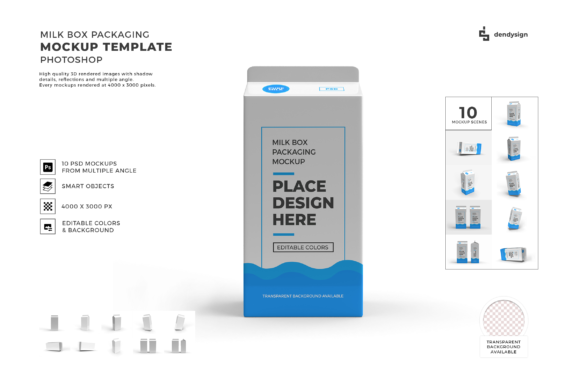
Milk Box Packaging 3D Mockup Bundle
In the competitive landscape of food and beverage branding, visual presentation is often the first point of contact between a product and its potential consumer. For designers, marketing professionals, and brand managers, accurately visualizing packaging concepts before physical production is critical. This is where digital tools bridge the gap between abstract ideas and tangible reality. The Milk Box Packaging 3D Mockup Bundle represents a specialized resource designed to streamline this process, offering high-fidelity representations of carton packaging in a digital format.
Understanding the utility of such a bundle requires looking beyond the final image. It involves evaluating the technical specifications, workflow integration, and strategic advantages these templates provide. By examining the features—such as high-resolution PSD files, organized layers, and transparent backgrounds—designers can determine if this tool aligns with their specific project requirements. This analysis explores the practical applications, benefits, and considerations associated with using Milk Box Packaging 3D Mockup Bundle resources in professional design projects.
What Is the Milk Box Packaging 3D Mockup Bundle?
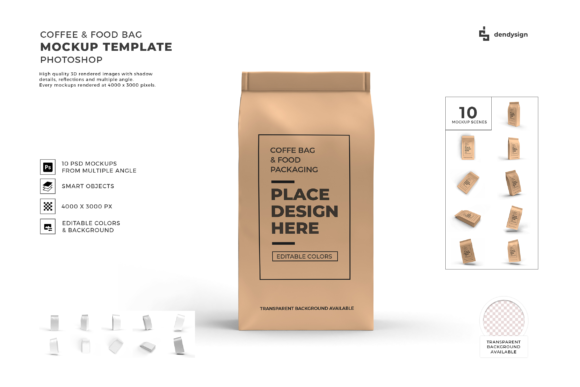
A mockup is essentially a realistic preview of how a design will look when applied to a physical object. While traditional methods required printing prototypes or waiting for manufacturer samples, digital mockups allow for instant visualization. The Milk Box Packaging 3D Mockup Bundle consists of a collection of pre-designed, three-dimensional models of milk cartons or similar rectangular packaging formats. These are not static images but interactive files, typically provided in Photoshop (PSD) format, that allow users to replace placeholder graphics with their own artwork.
The "bundle" aspect implies a variety of angles, lighting conditions, or box styles included in a single download. This variety ensures that a designer can present a product from multiple perspectives, creating a comprehensive brand story. The core value proposition lies in the ability to simulate real-world lighting, shadows, and material textures, providing clients and stakeholders with a convincing preview of the final package without the cost of physical prototyping.
Key Technical Benefits and Workflow Efficiency
When evaluating design assets, technical usability is just as important as aesthetic quality. The features highlighted in the description of this bundle address common pain points in the design workflow.
- High Resolution PSD File: Professional print and digital media require high pixel density to avoid blurriness or pixelation. A high-resolution file ensures that the mockup remains crisp whether viewed on a small mobile screen or projected on a large conference room monitor. This fidelity is essential for client presentations where detail matters.
- Easy to Edit: The efficiency of a tool is measured by how quickly it allows for iteration. These templates are structured to minimize friction. Designers do not need to build the 3D model from scratch; they simply apply their flat vector or raster designs onto the mapped surfaces.
- Organized Layers: In complex Photoshop files, layer management can become chaotic. An organized layer structure means that smart objects, adjustment layers, and clipping masks are clearly labeled and grouped. This reduces the time spent navigating the interface and lowers the risk of accidental edits to background elements.
- Transparent Background Available: Versatility in placement is crucial. Whether a designer needs to place the milk box on a wooden table, against a solid color, or within a composite lifestyle scene, a transparent background option allows for seamless integration into various compositions.
Strategic Advantages for Branding Projects
Beyond technical convenience, the use of the Milk Box Packaging 3D Mockup Bundle offers strategic advantages in the development cycle of a product.
Rapid Prototyping and Iteration
Traditional packaging design involves a linear process: design, print sample, review, revise, repeat. This can take weeks. Digital mockups compress this timeline into hours. Designers can experiment with different color palettes, typography choices, and layout arrangements instantly. This rapid iteration encourages creativity, as there is no financial penalty for trying a bold new direction.
Enhanced Client Communication
Presenting a flat 2D file to a non-designer client can lead to misinterpretation. Clients may struggle to visualize how text wraps around corners or how colors interact with the curvature of the box. A 3D mockup provides context. It demonstrates scale, proportion, and shelf presence. This clarity reduces revision cycles caused by misunderstandings, leading to faster approval times.
Cost Reduction
Physical proofing is expensive. It involves paper costs, ink, shipping, and labor. By relying on high-quality digital mockups for initial reviews and internal approvals, companies can reserve physical proofs for final validation only. This shift significantly lowers the overhead costs associated with packaging development.
Considerations and Potential Tradeoffs
While the benefits are substantial, it is important to approach digital mockups with a balanced perspective. They are simulations, not substitutes for physical reality.
Material Limitations
A PSD mockup simulates texture through shading and lighting effects. However, it cannot perfectly replicate the tactile experience of corrugated cardboard, glossy lamination, or embossed foil. If a brand’s unique selling point relies heavily on texture or special finishes, a digital mockup may oversimplify the result. Designers should be transparent with clients about the limitations of digital previews regarding material feel.
Lighting Accuracy
The realism of a 3D mockup depends on the lighting setup used in the template. Some templates may have overly dramatic shadows or unrealistic highlights that do not match typical retail lighting conditions. Users must critically evaluate the lighting in each template to ensure it serves their specific presentation context. A studio-lit mockup might not represent how the product looks under fluorescent supermarket lights.
Software Dependency
These bundles require Adobe Photoshop and a compatible version to function correctly. Not all teams have access to the full Creative Cloud suite. Additionally, working with Smart Objects requires a certain level of proficiency. Junior designers or those less familiar with Photoshop may find the learning curve steeper than expected, potentially offsetting some time savings initially.
When to Use vs. When to Seek Alternatives
Determining whether the Milk Box Packaging 3D Mockup Bundle is the right choice depends on the specific goals of the project.
Ideal Use Cases:
- Early-Stage Concepting: When exploring multiple design directions rapidly.
- Portfolio Presentation: To showcase packaging skills in a visually compelling way.
- Marketing Materials: Creating social media assets, website banners, or pitch decks where photorealism enhances perceived value.
- Client Previews: Providing a quick, low-cost visualization before committing to manufacturing.
Alternative Considerations:
- Final Production Validation: For verifying exact color matching (Pantone accuracy) or structural integrity, physical prototypes are irreplaceable.
- Complex Structural Designs: If the packaging has unusual die-cut shapes or intricate folding mechanisms, standard box mockups may not fit. Custom 3D modeling services or specialized software like Adobe Dimension or Blender might be more appropriate.
- Tactile Experience Focus: If the brand strategy emphasizes touch and texture, investing in physical sampling is necessary.
Conclusion
The Milk Box Packaging 3D Mockup Bundle serves as a powerful asset for modern design workflows. By offering high-resolution, editable, and well-organized files, it addresses the need for speed, clarity, and professionalism in packaging presentations. Its strength lies in its ability to facilitate rapid iteration and improve stakeholder communication.
However, users should remain aware of its limitations regarding material simulation and lighting accuracy. It is best utilized as a tool for conceptualization, marketing, and client approval rather than a final quality control measure. For designers seeking to enhance their presentation capabilities while maintaining a practical and efficient workflow, this bundle provides a robust foundation. Evaluating it against your team’s technical skills and project timelines will help determine if it is the right addition to your design toolkit.