Unlocking the Magic of the 3D Dreamcatcher 2 SVG: A Comprehensive Guide for Digital Crafters
The world of digital crafting has evolved significantly, moving far beyond simple cutting files into complex, multi-layered designs that bring a tactile dimension to screen-based graphics. At the forefront of this trend is the 3D Dreamcatcher 2 SVG, a design that bridges the gap between traditional Native American symbolism and modern vector artistry. Whether you are a seasoned pro using high-end software or a hobbyist just starting with a Cricut machine, understanding the nuances of this specific file type is crucial for achieving professional results.
This guide explores what makes the 3D Dreamcatcher 2 SVG unique, how its various file formats cater to different software ecosystems, and why including PNG and EPS files in your download package adds immense value to your creative workflow. We will break down exactly what you get when you download this zipped folder and how to leverage each format to its fullest potential.
Understanding the Anatomy of the Download Package
When you purchase or acquire the 3D Dreamcatcher 2 SVG, you are not just receiving a single image file. You are gaining access to a versatile toolkit designed to accommodate a wide range of digital cutting and design software. The download typically comes in a convenient zipped folder containing four distinct file types: SVG, DXF, PNG, and EPS. Each format serves a specific purpose, ensuring that no matter what hardware or software you use, you can bring this dreamcatcher design to life.
The inclusion of multiple formats is not merely a courtesy; it is a necessity in today’s fragmented crafting market. Different machines speak different languages. By providing a comprehensive package, designers ensure accessibility for everyone from Silhouette Basic Edition users to CorelDraw professionals. Let’s look closer at what each component offers.
The Power of the SVG Format
The SVG (Scalable Vector Graphics) file is the gold standard for most modern cutting machines. It is an XML-based vector image format for two-dimensional graphics with support for interactivity and animation. For crafters, this means the lines remain crisp regardless of size, allowing you to scale your dreamcatcher from a small keychain to a large wall hanging without losing quality.
The 3D Dreamcatcher 2 SVG is specifically optimized for compatibility with leading design platforms. If you use Cricut Design Space, the file will upload seamlessly, preserving all cut lines and layers. Similarly, users of Silhouette Designer Edition will find that the intricate webbing and bead details translate perfectly into their workspace. The file structure allows for easy separation of elements, which is critical for creating the "3D" effect by layering different parts of the dreamcatcher on top of one another.
Furthermore, this SVG works flawlessly with other popular tools such as Make the Cut MTC, Sure Cuts A Lot (SCAL), and Brother’s Scan and Cut “Canvas” software. This broad compatibility ensures that whether you are working on a Windows PC or a Mac, your design process remains uninterrupted. The vector nature of the SVG also allows for minor adjustments post-upload, giving you control over spacing and alignment before you ever touch a blade.
Compatibility with Legacy and Basic Software
Not every crafter operates on the latest subscription-based software. Many enthusiasts rely on older or more budget-friendly versions of design programs. This is where the DXF (Drawing Exchange Format) becomes invaluable. The 3D Dreamcatcher 2 SVG download includes a DXF version specifically tailored for Silhouette Basic Edition.
While Basic Edition lacks some of the advanced layer management features of the Designer Edition, the DXF file provides a clean, simplified path data set that these machines can read accurately. It strips away unnecessary complexity while retaining the essential cut paths needed to produce the dreamcatcher. This ensures that even if you are using entry-level hardware, you do not miss out on the aesthetic appeal of this intricate design.
Vector Precision with EPS Files
For graphic designers and print specialists, the EPS (Encapsulated PostScript) file is often the preferred format. Included in the 3D Dreamcatcher 2 SVG download, the EPS file opens natively in industry-standard software like CorelDraw, Inkscape, and Adobe Illustrator.
This format is particularly useful if you plan to incorporate the dreamcatcher into larger composite designs, such as business cards, posters, or branded merchandise. Because EPS files maintain vector integrity, they allow for precise color manipulation and integration with other graphical elements. Inkscape users, who often prefer open-source solutions, will find the EPS import robust and reliable, making it easier to trace or modify the design for custom projects.
The Role of High-Resolution PNGs in Your Workflow
While vectors are king for cutting, raster images have their own place in the crafting ecosystem. The download package includes a PNG (Portable Network Graphics) file with a transparent background at 300 DPI. This resolution is considered high-quality for printing purposes.
Why include a PNG? There are several practical scenarios where a raster image is superior to a vector cut file:
- Printing and Stickers: If you intend to print the dreamcatcher on sticker paper or vinyl sheets rather than cutting it out, the PNG provides the exact visual representation needed. The transparent background ensures it overlays cleanly onto any surface.
- Digital Planning: Bullet journalers and digital planners love high-quality PNGs. They can drag and drop the 3D Dreamcatcher 2 SVG PNG into apps like GoodNotes or Notability to decorate digital pages without worrying about vector nodes or cut lines.
- Reference Images: When assembling a physical 3D project, having a high-resolution reference image helps visualize the final product. It serves as a guide for coloring, gluing, or arranging layers during the assembly phase.
Creating Depth: How to Use the 3D Effect
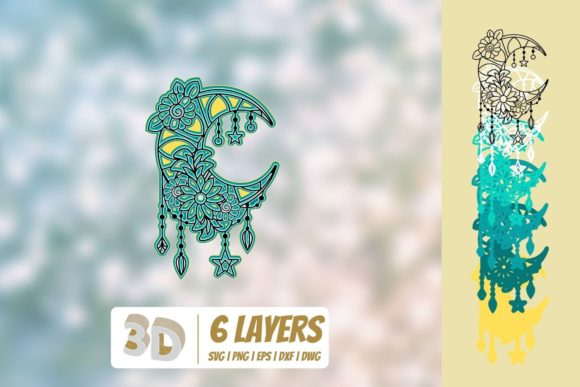
The term "3D" in 3D Dreamcatcher 2 SVG refers to the technique of layering. Unlike a flat silhouette, this design is composed of multiple concentric rings, web patterns, and hanging elements. To achieve the intended depth, you must separate these layers during the design phase.
When uploading the SVG to Cricut Design Space or Silhouette Studio, group the elements logically. Typically, the outer hoop forms the base layer, followed by the inner webbing, and finally the decorative beads or feathers at the bottom. By cutting each layer from different colored materials—such as metallic cardstock for the hoop and matte paper for the web—you create a visual pop that mimics three-dimensionality. The precision of the SVG ensures that these layers align perfectly, preventing gaps or misalignments that could ruin the illusion.
Practical Considerations for Successful Projects
Before diving into your first cut, there are a few best practices to keep in mind. First, always inspect the layers in your software. Sometimes, complex SVGs can have overlapping nodes that confuse the cutting algorithm. Ungrouping and checking individual paths can prevent wasted material.
Secondly, consider the material choice. The intricate details of the dreamcatcher webbing require a blade that is sharp enough to navigate tight corners. Standard blades work well, but for very fine details, a rotary blade might be necessary depending on the thickness of your paper or fabric. Additionally, because the design involves thin connecting threads in the web pattern, using a strong adhesive mat or spray adhesive on your cutting mat is recommended to prevent shifting during the cut.
Finally, think about the end use. Are you making a home decor piece or a gift? The versatility of the 3D Dreamcatcher 2 SVG allows for endless customization. You can add personal initials to the central hoop using text tools in your design software, or change the color palette to match nursery themes, wedding colors, or seasonal holidays. The ability to edit the SVG in Adobe Illustrator or Inkscape gives you total creative freedom to adapt the design to your specific vision.
Conclusion
The 3D Dreamcatcher 2 SVG represents more than just a cutting file; it is a comprehensive resource for digital artisans. By providing SVG, DXF, EPS, and high-resolution PNG formats in a single zipped folder, it caters to a diverse range of users and software preferences. Whether you are leveraging the advanced features of Cricut Design Space, working within the constraints of Silhouette Basic Edition, or designing in CorelDraw, this file ensures that your dreamcatcher projects are executed with precision and style. Embracing the multi-format approach allows you to focus less on technical hurdles and more on the creative joy of bringing this beautiful symbol to life.