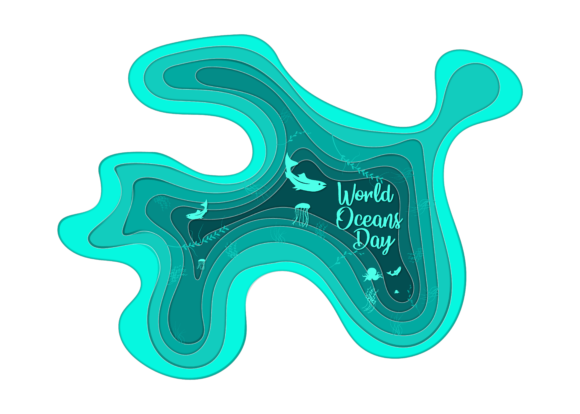
3d Layered Papers Style World Ocean Day: A Creative Approach to Global Conservation
The ocean covers more than seventy percent of our planet, yet it remains one of the most misunderstood and underrepresented ecosystems in digital media. As we approach World Ocean Day, also recognized globally as the Day of Water, there is a growing need for visual storytelling that transcends traditional photography. Enter the 3d Layered Papers Style—a distinctive aesthetic that combines the tactile warmth of paper art with the depth and dimensionality of modern 3D rendering. This style is not merely a design trend; it is a powerful tool for raising awareness about critical environmental issues, including plastic water pollution, ecosystem degradation, and the urgent need for conservation.
For creators, marketers, and educators, leveraging this artistic approach offers a unique opportunity to engage audiences who are increasingly fatigued by generic stock imagery. By utilizing high-quality, customizable assets such as Adobe Illustrator AI files, professionals can craft compelling narratives that resonate on both an emotional and intellectual level. This article explores how the intersection of paper art technology and environmental advocacy is reshaping digital communication, providing practical insights for those looking to make an impact during World Oceans Day and beyond.
The Evolution of Visual Storytelling in Environmental Advocacy
Historically, environmental campaigns have relied heavily on stark, often grim imagery to convey the severity of ecological crises. While effective in shock value, these images can sometimes lead to "compassion fatigue," where viewers become desensitized to repeated displays of suffering. The rise of 3d Layered Papers Style represents a shift toward a more nuanced, engaging form of visual communication. This aesthetic mimics the look of hand-cut paper crafts but utilizes digital layering techniques to create depth, shadow, and realism.
This style allows designers to depict complex natural phenomena—such as origami sea waves, swirling currents, and intricate marine life like fishes—in a way that feels accessible and inviting rather than overwhelming. It softens the blow of serious topics without diminishing their importance. For instance, depicting the problem of plastic water pollution through layered paper silhouettes can highlight the intrusion of human waste into pristine environments in a manner that is visually striking yet artistically pleasing. This balance is crucial for maintaining audience engagement while delivering a hard-hitting message about the ecology of our planet.
Furthermore, the evolution of this style reflects broader changes in user expectations. Modern audiences, particularly younger demographics, respond well to content that feels crafted and intentional. The texture and detail inherent in paper art suggest care and effort, which subconsciously signals credibility and quality to the viewer. As businesses and organizations seek to align themselves with sustainability goals, adopting this aesthetic demonstrates a commitment to innovation and thoughtful design.
Technical Advantages of Digital Paper Art Assets
One of the primary barriers to creating high-quality 3D paper-style graphics has been the technical complexity involved. Traditional paper crafting is time-consuming and difficult to scale, while 3D modeling requires significant expertise in software like Blender or Cinema 4D. However, the availability of specialized digital assets has democratized this process. Specifically, downloadable files designed for Adobe Illustrator offer a streamlined workflow for professionals who need to produce polished content quickly.
Consider the features of a typical high-end asset pack for World Ocean Day. These files are often provided in RGB Color Mode, ensuring vibrant, screen-accurate colors that pop on digital platforms. With a resolution of 72 DPI optimized for web use, these assets load quickly without sacrificing visual fidelity. The dimensions, such as 4961×3543 Pixels, provide ample space for detailed compositions, allowing designers to zoom in on specific elements like the folds of an origami fish or the crest of a wave without pixelation.
Perhaps most importantly, these files are built for customization. Being native Adobe Illustrator AI File formats means they are vector-based, scalable to any size without loss of quality. This is a critical advantage for marketers who need to adapt their designs across various mediums, from social media posts to large-format banners. The ability to easily modify colors, shapes, and layers ensures that each campaign can be tailored to specific brand guidelines or thematic needs. Additionally, compatibility with the latest versions of Adobe Illustrator ensures that users benefit from continuous software improvements and security updates.
Practical Applications for Creators and Businesses
The versatility of 3D layered paper art makes it suitable for a wide range of applications during World Oceans Day celebrations. For educators, these visuals can simplify complex ecological concepts. A layered illustration showing the food chain, with origami-style predators and prey, can help students visualize the delicate balance of marine ecosystems. Similarly, bloggers and content creators can use these assets to break up text-heavy articles, making them more readable and engaging.
For entrepreneurs and small business owners, incorporating these designs into marketing materials can enhance brand perception. Imagine a sustainable fashion brand releasing a new eco-friendly collection accompanied by a campaign featuring layered paper art of coral reefs and marine life. This visual narrative reinforces the brand’s commitment to ocean conservation, creating a deeper connection with environmentally conscious consumers. Freelancers and graphic designers can also leverage these templates to offer specialized services to clients looking for unique, non-generic holiday content.
In the corporate sector, internal communications and CSR (Corporate Social Responsibility) reports can benefit from this aesthetic. Using clean, modern paper-art styles to illustrate data points about water usage reduction or plastic recycling efforts can make dry statistics more digestible and memorable. The key is to integrate the visuals seamlessly with the message, ensuring that the artistic style supports rather than distracts from the core information.
Addressing Plastic Pollution Through Design
Plastic water pollution is one of the most pressing challenges facing our oceans today. It affects every level of the marine food web, from microscopic plankton to massive whales. Visualizing this issue effectively requires more than just showing trash; it requires illustrating the pervasive nature of the problem. 3D layered paper art excels here by allowing designers to juxtapose natural beauty with artificial intrusion.
By using contrasting textures and colors, artists can create compositions where vibrant, healthy coral reefs are partially obscured by gray, rigid shapes representing plastic debris. The layering technique adds depth, suggesting that pollution is not just a surface-level issue but something that permeates the entire ecosystem. This visual metaphor can be incredibly powerful in driving home the urgency of conservation efforts. When paired with clear calls to action, such as reducing single-use plastics or supporting cleanup initiatives, these designs can inspire tangible behavioral change.
Moreover, the origami aspect of the style can symbolize transformation and creativity. Just as a flat sheet of paper can be folded into a complex shape, human actions can be redirected to create positive outcomes for the environment. This subtle symbolism adds a layer of meaning that resonates with thoughtful audiences, encouraging them to see themselves as part of the solution rather than just bystanders.
Best Practices for Implementation
To maximize the impact of your World Ocean Day content, consider the following best practices when working with 3D layered paper assets:
- Maintain Color Harmony: Use a cohesive color palette that reflects the oceanic theme. Blues, teals, and greens should dominate, with accents of white or coral to represent foam and marine life. Avoid overly saturated or clashing colors that detract from the serene aesthetic.
- Focus on Composition: Utilize the depth provided by the layered style to guide the viewer’s eye. Place key elements, such as an origami fish or a piece of plastic waste, at focal points to draw attention to specific details.
- Ensure Accessibility: While visual appeal is important, ensure that your designs are accessible to all users. Use alt text to describe the imagery for screen readers, and maintain sufficient contrast between text and background elements.
- Leverage Customization: Take full advantage of the editable AI files. Modify elements to reflect local marine species or regional pollution issues, making the content more relevant to your specific audience.
- Combine with Strong Copy: Let the visuals complement your message, not replace it. Write clear, concise copy that explains the significance of the imagery and provides actionable steps for conservation.
Looking Ahead: The Future of Eco-Conscious Design
As we move forward, the demand for authentic, meaningful content will continue to grow. Audiences are becoming more discerning, seeking out brands and creators who demonstrate genuine commitment to sustainability. The 3d Layered Papers Style offers a versatile and impactful way to meet this demand. It bridges the gap between traditional craftsmanship and modern digital capabilities, creating a unique visual language that is both timeless and contemporary.
For professionals in marketing, education, and design, embracing this style is not just about following a trend; it is about participating in a global conversation about the health of our planet. By utilizing high-quality, customizable assets, you can contribute to a more informed and engaged public. Whether you are designing a social media campaign, an educational poster, or a corporate report, the power of layered paper art lies in its ability to tell stories that matter.
In conclusion, World Ocean Day is more than just a date on the calendar; it is a call to action. By integrating innovative design techniques like 3D layered paper art into your advocacy efforts, you can help protect and conserve our oceans in a way that is both visually stunning and emotionally resonant. The tools are available, the techniques are refined, and the need is urgent. It is up to us to use them wisely, creating content that inspires change and fosters a deeper appreciation for the fragile beauty of our world’s waters.