3d Relief Carving Art Vector Paper Cut
In the landscape of modern graphic design, the demand for visual assets that offer both depth and versatility continues to rise. Among the most sought-after styles is 3d Relief Carving Art Vector Paper Cut. This aesthetic combines the tactile warmth of traditional paper crafts with the precision and scalability of vector illustration. For designers, marketers, and creative professionals, understanding the nuances of this style is essential for making informed decisions about which assets to incorporate into their projects.
This article explores what constitutes 3d relief carving art in a vector format, evaluates its practical applications, and provides guidance on how to assess specific file specifications—such as layer organization, resolution, and software compatibility—to ensure the asset meets professional standards.
Understanding the Aesthetic: What Is 3d Relief Carving Art?
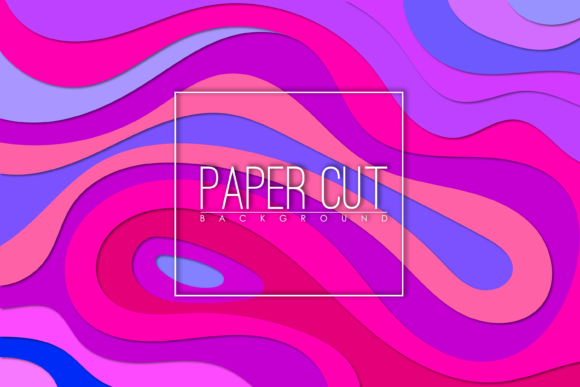
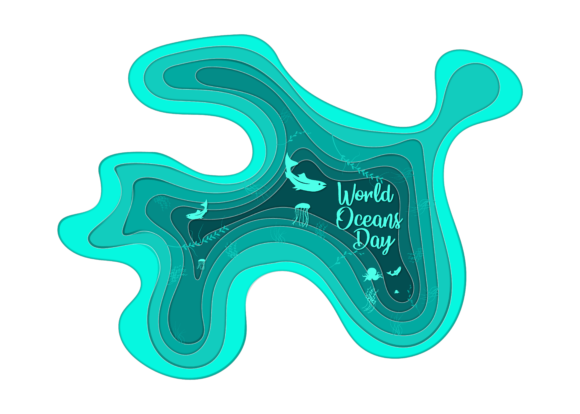
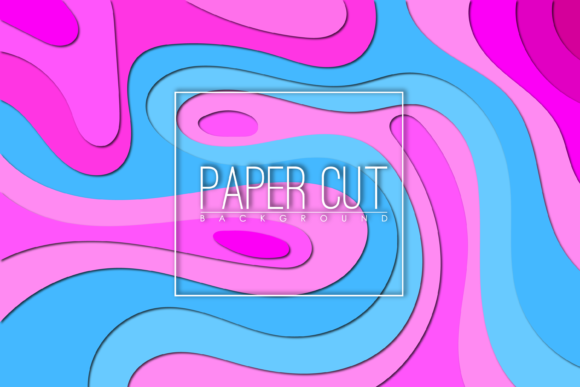
At its core, 3d relief carving art mimics the appearance of physical layers stacked upon one another. While traditional paper cutting involves physically slicing through sheets of paper to create negative space and depth, the vector version achieves this effect digitally. The result is an abstract realistic paper decoration that appears textured and dimensional without the need for physical materials.
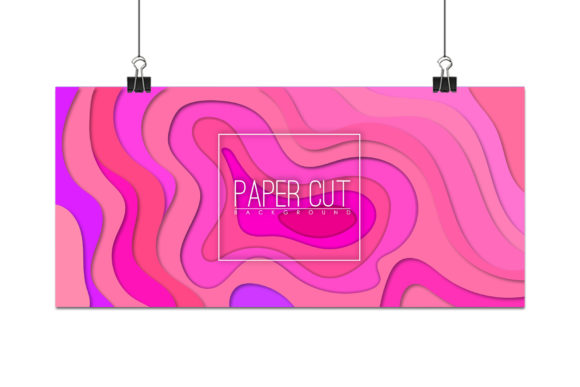
The term "relief" refers to the raised surfaces that characterize the artwork. In a digital context, this is achieved through overlapping shapes, shadow effects, and precise alignment of paths. When combined with a wavy pink cardboard texture, the design gains a sense of organic imperfection and materiality. This juxtaposition of clean vector lines with textured, irregular edges creates a sophisticated look that stands out in both print and digital media.
Evaluating Key Technical Specifications
Not all vector assets are created equal. When selecting a template or illustration for commercial use, several technical factors determine its usability and quality. Below are critical considerations when evaluating a 3d Relief Carving Art Vector Paper Cut file.
Layer Organization and Customization
The ease of customization is often the deciding factor for busy designers. A well-organized layer structure allows users to modify colors, resize elements, or remove components without disrupting the overall composition. Look for files described as having "well organized layers." This feature ensures that individual wavy pink layers or background elements can be isolated and edited independently.
Furthermore, the capability for easy customization extends beyond just moving layers. High-quality vector files should allow for non-destructive editing, meaning changes can be reversed or adjusted at any point in the workflow. This is particularly important for cover layout design templates, where text placement and branding elements may need frequent adjustment.
File Formats and Software Compatibility
Professional workflows typically rely on Adobe Illustrator for vector manipulation. Therefore, compatibility with current versions of Adobe Illustrator is a significant advantage. Files that compete with or support the latest update versions ensure that features such as global swatches, advanced gradient meshes, and cloud libraries function correctly.
Additionally, the inclusion of a PNG file alongside the vector source offers flexibility. PNGs provide a rasterized preview or final output option, which is useful for quick previews in web browsers or social media platforms before committing to a high-resolution print run. However, the primary value lies in the editable vector format, which preserves the integrity of the 3d relief effect at any scale.
Resolution and Color Mode
For print applications, resolution is paramount. A specification of 300 DPI (dots per inch) is the industry standard for high-quality printing. At a size of 3000×2000 pixels, this resolution provides sufficient detail for large-format prints, such as banners, posters, or packaging inserts, without pixelation.
Color mode is another critical consideration. Most modern screens and digital marketing campaigns utilize RGB color mode, which offers a wider gamut of vibrant colors compared to CMYK. If the primary use case is digital display, an RGB file is appropriate. However, if the project involves physical printing, designers must be aware that RGB colors may shift slightly when converted to CMYK for press. Evaluating whether the file includes both modes or requires manual conversion helps in planning the production pipeline.
Practical Applications and Use Cases
The versatility of 3d Relief Carving Art Vector Paper Cut makes it suitable for a variety of design contexts. Its abstract yet realistic nature allows it to bridge the gap between minimalist modernism and warm, handcrafted aesthetics.
- Cover Layout Design: The layered depth adds visual interest to book covers, album art, and magazine spreads. The wavy textures draw the eye and suggest movement, making static images more engaging.
- Packaging Design: For brands aiming to convey craftsmanship or eco-friendliness, the cardboard-like texture resonates with consumers. It suggests natural materials while maintaining the clean lines of modern branding.
- Social Media Graphics: The high resolution and vibrant RGB colors make these assets ideal for Instagram posts, Facebook covers, and Pinterest pins, where visual impact is crucial for stopping the scroll.
- Event Invitations: Weddings, galas, and corporate events often benefit from the elegant and intricate feel of paper cut art. The 3d relief effect adds a touch of luxury and exclusivity.
Weighing Benefits Against Tradeoffs
While 3d Relief Carving Art Vector Paper Cut offers numerous advantages, it is important to consider potential limitations.
Benefits
The primary benefit is scalability. Unlike raster images, vector files can be enlarged to billboard size without losing quality. The clean file structure saves time during the editing process, reducing the likelihood of errors. Additionally, the abstract realism allows for broad interpretation, making the asset adaptable to various themes and industries.
Tradeoffs and Considerations
One tradeoff is the learning curve associated with complex layer structures. While "easy customization" is advertised, designers unfamiliar with Adobe Illustrator may find navigating hundreds of layers challenging. It is advisable to have a basic understanding of pathfinding and layer management.
Another consideration is the specificity of the aesthetic. The wavy pink cardboard texture is distinct. If a brand’s identity relies on sharp, geometric minimalism or completely different color palettes, this specific asset may not align. Designers should evaluate whether the existing color scheme can be easily adapted or if starting with a more neutral base would be preferable.
Determining Fit for Your Project
To decide if 3d Relief Carving Art Vector Paper Cut is the right choice, consider the following questions:
- Do you need print-ready quality? If yes, verify the 300 DPI specification and check if CMYK conversion is supported or required.
- Is rapid iteration necessary? If your project timeline is tight, prioritize files with well-organized layers and clear naming conventions.
- Does the aesthetic match your brand voice? Evaluate whether the warm, textured, and layered look complements your existing visual identity.
- What is your software environment? Ensure your team has access to compatible vector editing software, preferably the latest version of Adobe Illustrator, to fully leverage the file’s features.
Conclusion
Selecting the right design asset involves balancing aesthetic appeal with technical functionality. 3d Relief Carving Art Vector Paper Cut offers a compelling combination of visual depth and professional-grade file structure. By carefully evaluating layer organization, resolution, and software compatibility, designers can determine whether this asset will enhance their specific projects. Whether used for digital marketing or high-end print materials, understanding these details ensures that the final output meets both creative and technical expectations.