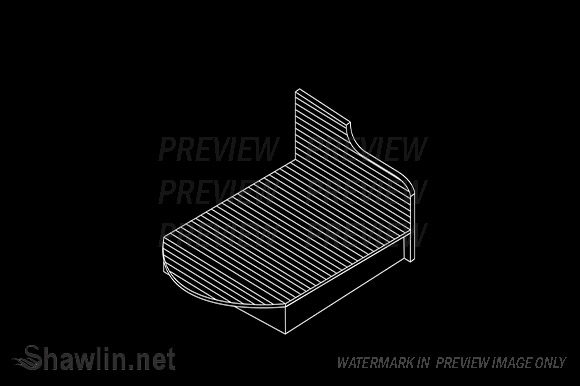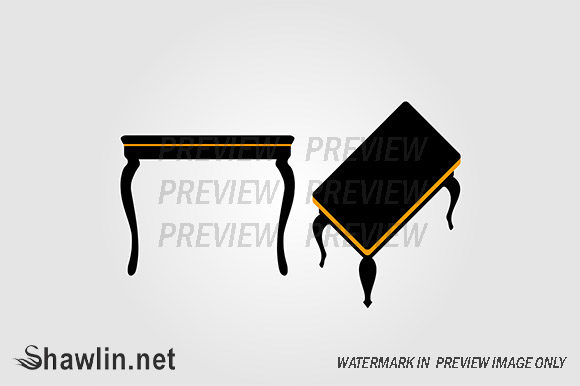
Modern Wooden Coffee Table Elevation 3d: A Comprehensive Guide to Digital Design and Implementation
The intersection of interior design, digital modeling, and furniture manufacturing has created a new paradigm for how spaces are conceptualized. At the heart of this evolution is the Modern Wooden Coffee Table Elevation 3d. This specific asset class represents more than just a visual representation; it is a critical tool in the workflow of architects, interior designers, and DIY enthusiasts who require precision before physical production begins. By leveraging high-fidelity three-dimensional models, professionals can visualize spatial dynamics, material textures, and structural integrity with unprecedented clarity.
In the contemporary landscape of home decor and commercial space planning, the coffee table serves as both a functional anchor and a stylistic statement. The shift toward modern aesthetics—characterized by clean lines, minimalist forms, and natural materials like wood—has driven the demand for accurate digital elevations. These elevation models allow stakeholders to see exactly how a piece will sit within a room, how light interacts with its surface, and how it complements surrounding furniture. This guide explores the technical specifications, practical applications, and strategic advantages of utilizing these digital assets in professional and personal projects.
Understanding the Technical Specifications of Modern Wooden Coffee Table Elevation 3d
To fully appreciate the utility of a Modern Wooden Coffee Table Elevation 3d, one must first understand the file structures that make such designs accessible across various software platforms. The standard distribution of these assets often includes a comprehensive package designed to accommodate users with different levels of software proficiency. Typically, this package is delivered in a compressed zip format, ensuring efficient data transfer and organized storage.
A key feature of high-quality design assets is their backward compatibility. Many providers include the illustration in a Vector EPS file saved in an older version format. This technical decision is crucial because it allows users who may be working with legacy software versions to open and edit the file without encountering compatibility errors. Whether a designer is using the latest iteration of Adobe Illustrator or an older version from several years ago, the vector nature of the EPS file ensures that the lines remain crisp and scalable. Unlike raster images, which pixelate when enlarged, vector graphics maintain their mathematical precision, making them ideal for detailed elevation drawings where exact dimensions and proportions are paramount.
Furthermore, the inclusion of a high-resolution JPG format within the same zip archive provides immediate visual feedback. This image format is universally compatible with almost all devices and operating systems, allowing for quick previews without the need for specialized design software. Importantly, these assets are distributed with no watermark inside the actual files. Watermarks are typically applied only to preview images displayed on marketplaces or portfolios to protect intellectual property while still allowing potential buyers to assess the quality and style of the work. Once purchased, the user receives clean, unobstructed files ready for integration into professional workflows.
The Role of Square and Centered Design in Modern Aesthetics
One of the defining characteristics of many popular Modern Wooden Coffee Table Elevation 3d models is their geometric simplicity. The design is often square and centered, reflecting a broader trend in modern interior design that favors symmetry and balance. A square coffee table offers a versatile footprint that fits well in living rooms, lounges, and waiting areas. Its centered design implies a focal point, drawing the eye inward and creating a sense of order within the space.
From an ergonomic perspective, a square layout promotes equal accessibility from all sides. This is particularly important in social settings where conversation flows freely around the table. In digital elevation models, this symmetry is rendered with precise alignment, ensuring that the virtual model matches the intended real-world proportions. When designing a room layout, starting with a centered, square element helps establish a grid system that can guide the placement of sofas, chairs, and lighting fixtures.
The use of wood as the primary material adds warmth and organic texture to this geometric rigidity. Wood grain patterns, visible in high-resolution renders, provide a contrast to the sharp lines of the square form. This combination of hard geometry and soft natural material is a hallmark of modern design, bridging the gap between industrial minimalism and cozy domesticity. Elevations that accurately depict these textures help clients make informed decisions about finishes, stains, and maintenance requirements before any wood is cut.
Practical Applications Across Various Industries
The versatility of the Modern Wooden Coffee Table Elevation 3d extends beyond simple visualization. It serves multiple functions across different sectors, each requiring specific levels of detail and accuracy.
Interior Design and Architecture
For interior designers, these 3D elevations are essential tools for client presentations. Instead of relying on abstract sketches or vague descriptions, designers can present photorealistic renderings that show exactly how the coffee table will look in the context of the entire room. This reduces miscommunication and increases client confidence. Architects also benefit from these models when specifying furniture for new builds, ensuring that the selected pieces align with the building’s aesthetic guidelines and spatial constraints.
Furniture Manufacturing and Retail
Manufacturers use elevation models to create production blueprints. The vector EPS files provide the necessary line weights and dimensions for CNC machines or manual craftsmen to follow. Retailers utilize the high-resolution images for e-commerce platforms, catalogues, and marketing materials. The ability to zoom in on details, such as joint construction or wood grain, helps online shoppers make confident purchasing decisions, reducing return rates associated with product expectations not meeting reality.
Educational and Research Contexts
In educational settings, these assets serve as valuable teaching tools. Students studying industrial design, architecture, or computer-aided design (CAD) can analyze the structure of modern furniture through these elevation models. They learn how professional designers approach problem-solving, material selection, and aesthetic composition. Researchers in ergonomics and human factors may use these models to study interaction patterns, analyzing how people approach and use coffee tables in various social configurations.
Customization and the Value of Direct Communication
While pre-made assets offer convenience, the true power of digital design lies in customization. The description accompanying these assets often invites users to contact the creator for custom requests via a website contact form. This feature highlights the importance of tailored solutions in professional design workflows. Every space is unique, and off-the-shelf designs may not always fit specific dimensional requirements or stylistic preferences.
By engaging directly with the designer, clients can request modifications to the Modern Wooden Coffee Table Elevation 3d. This might involve altering the dimensions of the table, changing the type of wood, adjusting the leg thickness, or integrating additional features like storage compartments or cable management systems. This collaborative process ensures that the final product meets the exact needs of the project. It transforms a static digital asset into a dynamic solution, tailored to the specific context of the user’s environment.
Considerations for Implementation and Workflow Integration
When integrating these 3D elevation models into a workflow, several considerations ensure optimal results. First, it is important to verify the software version compatibility. While the inclusion of older EPS versions mitigates many issues, users should still check their specific software capabilities. Second, understanding the scale of the model is crucial. Elevation drawings are typically drawn to scale, but it is good practice to verify the units (millimeters vs. inches) to avoid measurement discrepancies during fabrication.
Another consideration is the level of detail required. For high-level conceptual work, the JPG preview might suffice. However, for fabrication or detailed rendering, the vector EPS file is indispensable. Users should organize their downloaded zip files effectively, separating the vector sources from the raster previews to streamline access during different stages of the project. Finally, respecting intellectual property rights is essential. Even though the files are free of watermarks upon purchase, users should adhere to the licensing terms provided by the creator, particularly regarding redistribution or resale of the digital assets.
Conclusion
The Modern Wooden Coffee Table Elevation 3d represents a convergence of artistic vision and technical precision. By providing high-quality vector and raster formats, including backward-compatible EPS files and watermark-free JPGs, these assets empower a broad audience—from hobbyists to seasoned professionals—to bring their design ideas to life. The square, centered design reflects contemporary aesthetic trends, while the flexibility for customization ensures relevance across diverse applications. As digital tools continue to evolve, the ability to seamlessly integrate 3D models into traditional design processes will remain a key competency for anyone involved in creating meaningful and functional spaces.